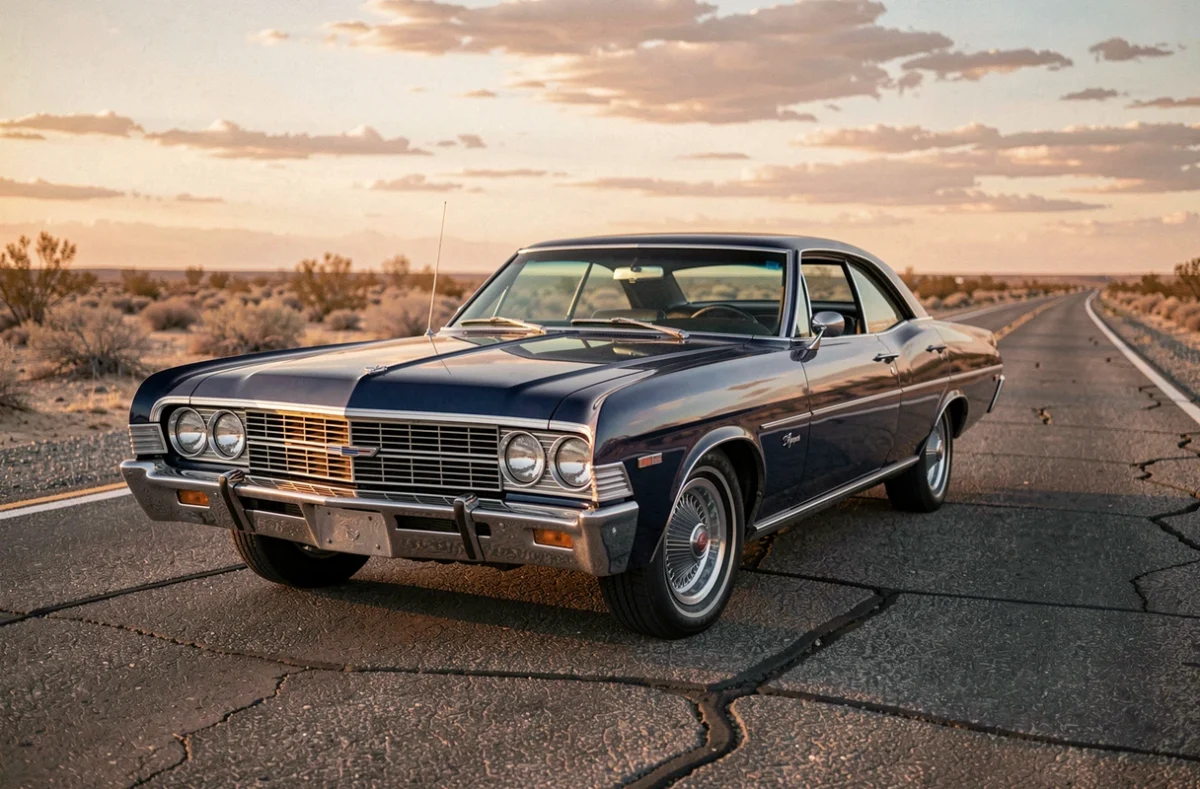
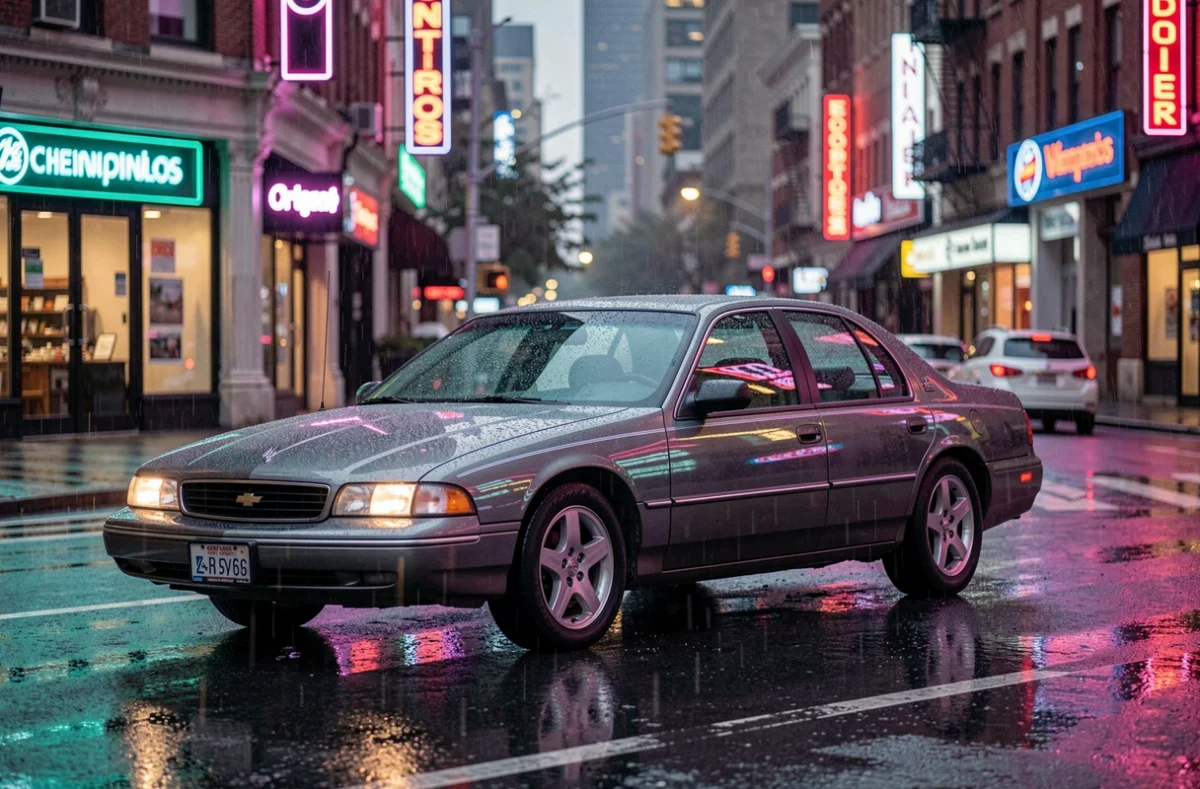
The Chevrolet Impala is not just a name etched in the history of American automobiles. It is a model that has spanned over six decades, transitioning from an affordable sedan to a cultural icon. Its production ceased after the 2020 model year, with no successor announced by Chevrolet, making it today a dual object of passion: a classic to restore and a recent full-size sedan to find on the used market.
Chevrolet Impala and collector status in France: what to check
Do you own an old Impala or are you considering importing one? The question of collector vehicle status arises quickly. In France, this status is not automatic. It depends on criteria of age, condition, and compliance that the prefecture evaluates on a case-by-case basis.
Specifically, an Impala over thirty years old can qualify for a collector’s registration, but it must be in compliance with its original condition or restored properly. This point has direct consequences: simplified technical control, the possibility of driving with black plates (under certain conditions), but also restrictions on circulation in certain low-emission zones.
Enthusiasts who follow the news on Blog Automobile know that these administrative constraints are an integral part of the acquisition project. Before even negotiating the price, it is better to inquire about the eligibility of the targeted model and anticipate the procedures.
Value of the Chevrolet Impala: why not all versions are equal
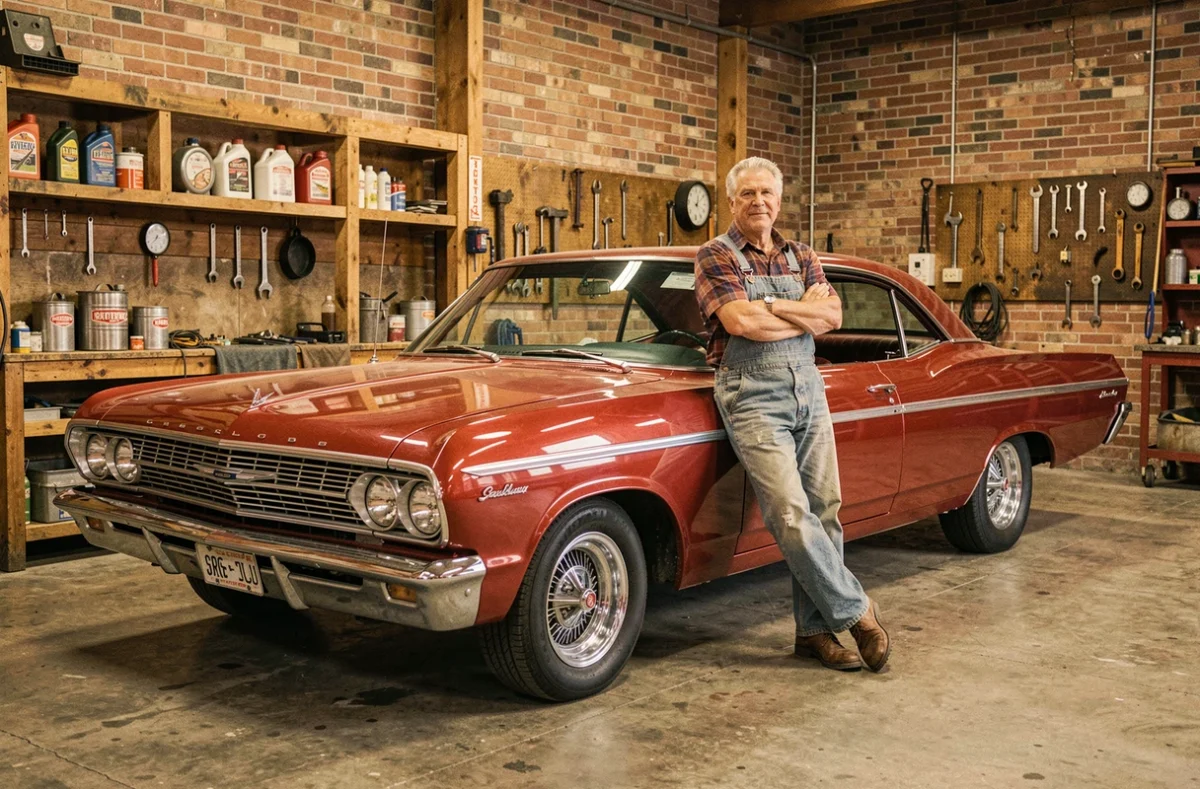
Talking about “the value of the Impala” as if it were a single vehicle doesn’t make much sense. Between a four-door sedan from the 1970s and a 1963 SS coupe, the value gap can be considerable.
Why such a difference? Three factors come into play.
- So-called “matching numbers” examples, where the engine, transmission, and main components still bear their original serial numbers, are significantly more sought after by collectors.
- The body style plays a decisive role: coupes and convertibles reach higher valuations than sedans, even with the same engine.
- Sporty versions, especially those equipped with large V8 engines, maintain a higher value than standard engine models.
Conversely, common sedans remain more accessible and represent a reasonable entry point for a first purchase. The classic Impala market operates in tiers, not by uniform trends.
Spare parts for classic Impala: what reproduction does not guarantee
One of the arguments often put forward to encourage the purchase of an old Impala is the availability of parts. Specialized catalogs do indeed offer body parts, interior trim, and common mechanical components for certain generations.
This apparent ease masks a more nuanced reality. The compatibility of reproduced parts varies by year and body type. A side panel intended for a 1964 model may not necessarily fit a 1962 example, even if both belong to the same generation.
Before starting a restoration, it is advisable to cross-reference the references with the original technical documentation. Specialized forums and enthusiast clubs are reliable resources for identifying reputable suppliers and avoiding unsuitable purchases.
Quality of reproduced parts
Not all reproductions are created equal. Some body parts require significant adjustment before installation. Others, better calibrated, fit without modification.
Price sometimes gives an indication, but not always. The opinion of an experienced body shop professional on American vehicles remains the best guarantee before placing an order. A poor parts purchase can cost more in labor hours than the part itself.
The Impala in popular culture: much more than a car
The Impala holds a special place in the collective imagination. Its association with lowrider culture, born in the Latino communities of California, has transformed certain generations (notably the 1958-1964 models) into true canvases for artistic expression.
Custom paint jobs, hydraulic suspensions, bespoke interiors: these modifications tell a cultural story that far exceeds the automotive world. The lowrider Impala is a mobile work of art, showcased at dedicated gatherings around the world.
The television series Supernatural added an extra layer of notoriety. The black 1967 Impala from the series has become a character in its own right, recognizable by millions of viewers who had no prior interest in classic cars.
Two audiences, two markets
This dual cultural identity creates two distinct buying circuits. On one side, classic car collectors seek authenticity and preservation. On the other, pop culture enthusiasts and customizers accept (and encourage) deep modifications.
Understanding which audience a particular example for sale belongs to helps assess its real value. A heavily modified Impala for lowriding will not interest a purist collector, and vice versa.
The Impala remains one of the few models capable of appealing to such different audiences. A family sedan in the 1960s, a collector’s item today, a cultural symbol everywhere in between, it continues to carve its path in the automotive imagination, without needing a successor to exist.