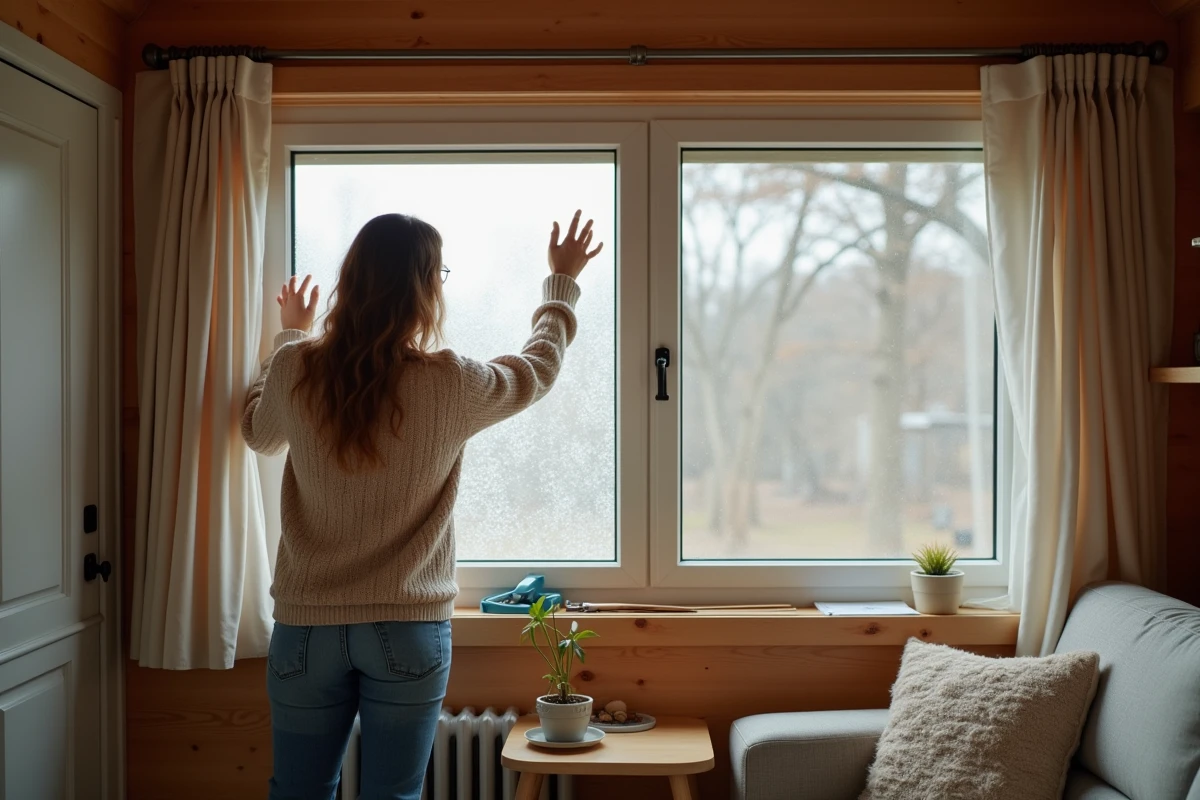
In France, over 200,000 mobile homes are used as secondary residences, often without specific adaptations for negative temperatures. The majority of recent models feature standard insulation, which is inadequate in the face of prolonged cold spells. Manufacturers rarely recommend improvements, while some European standards allow for interpretation regarding thermal efficiency. However, technical solutions exist to enhance protection against the cold, limit energy loss, and ensure optimal comfort even during the harshest winters.
The challenges of insulating a mobile home for winter: what you need to know
Year after year, the insulation of a mobile home reveals its flaws. Thin walls, lightweight frames, sandwich panels, or aluminum: the cold seeps in wherever it finds a breach. The slightest gap then becomes a favored passage for heat loss, disrupting the thermal comfort of the occupants. In an exposed area, at altitude, or swept by the wind, these weaknesses become more pronounced.
It quickly becomes clear why it’s important to consider the question: How to insulate a mobile home for winter and truly protect oneself from the cold? The age of the model, the quality of the seals, the general condition of the materials: every detail matters. The numbers speak for themselves: without improvement work, energy bills can rise by up to 40% during prolonged freezing periods.
But the troubles don’t stop there. Ground connections, often neglected, become open doors to rising moisture. Over time, this threatens the durability of the materials and undermines the effectiveness of any thermal insulation. Many then rely on a protective tarp designed for the cold season: a simple gesture that blocks moisture and extends the life of the mobile home.
In this regard, it is advisable to regularly monitor the condition of the seals, carefully choose the location of the mobile home, and equip oneself to counter winter. Even newer models, better designed, must be adapted rigorously. Here, every adjustment counts to limit energy consumption and improve comfort during the harshest months.
What equipment and materials should be prioritized for optimal thermal comfort?
The choice of mobile home insulation materials weighs heavily in the balance of winter comfort. To curb heat loss, double glazing is essential: replacing old windows with double-glazed joinery offers a significant improvement in thermal performance and limits condensation, the sworn enemy of metal walls.
On walls and under the floor, spray foam insulation proves its worth. Thanks to its uniform application, it seals even the smallest flaws and eliminates thermal bridges. This technique, often chosen during renovations, is generally associated with high-density insulating panels, perfect for the confined spaces of a mobile home. An insulating underlay beneath the floor mitigates the cold floor effect, common in winter campsites.
For those looking to combine performance with an ecological approach, wood wool, expanded cork, or natural fibers are serious options. These insulators regulate indoor humidity while respecting the environment, and are suitable for both seasonal and residential use.
This summary table allows for a comparison of solutions based on their advantages and ideal placement:
| Type of Insulator | Advantages | Recommended Placement |
|---|---|---|
| Spray Foam Insulation | Elimination of thermal bridges, quick application | Walls, floors, ceilings |
| High-Density Insulating Panels | Adaptation to low thicknesses | Walls, floors |
| Ecological Insulators | Hygrometric comfort, environmental respect | Walls, partitions, attics |
| Double Glazing | Reduction of losses, limitation of condensation | Windows, patio doors |
Adopting insulation methods suited to the camping context and the constraints of winter ensures real protection. The combination of high-performance materials, appropriate equipment, and regular maintenance transforms the living experience in a mobile home, even under snow.
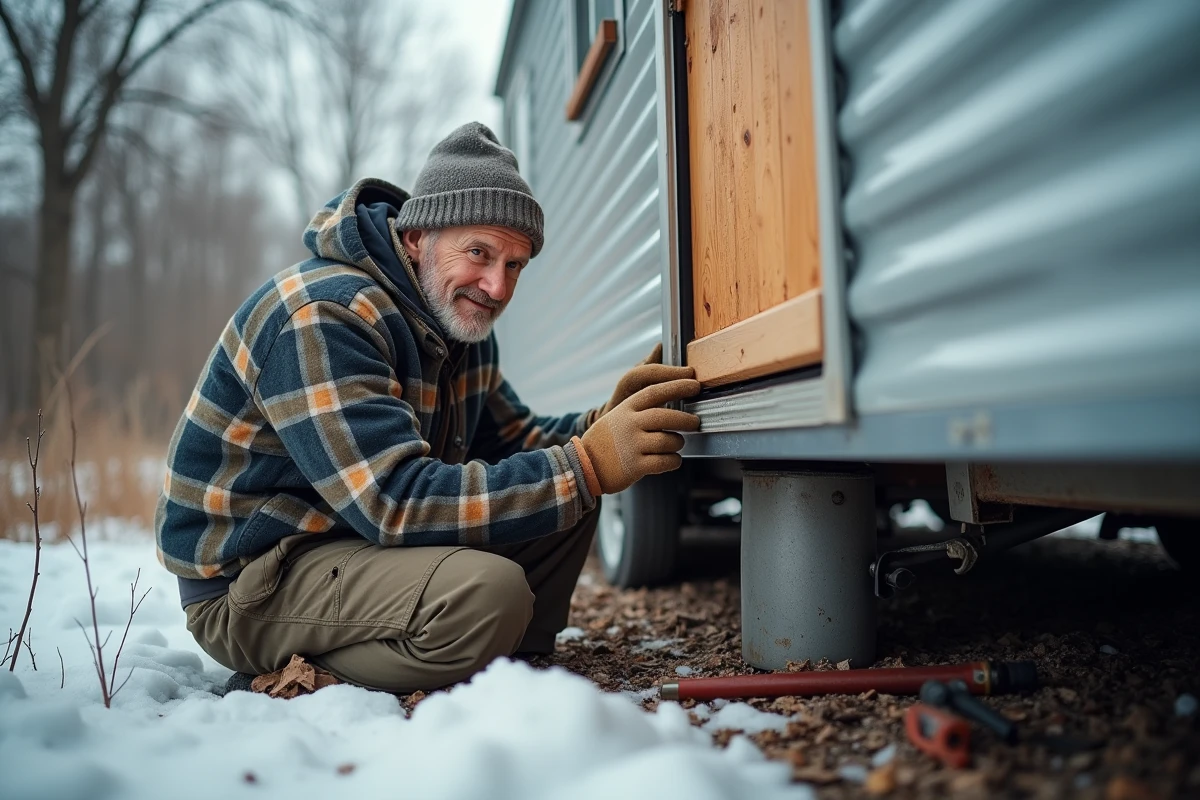
Practical tips and feedback for getting through the cold season with peace of mind
Those who live the experience know: maintaining the mobile home, before and during the cold season, determines the level of comfort achieved. A precise inspection of window, door, and hatch seals is essential; the slightest flaw allows the cold to seep in. As for heating, the choice is not trivial: an inertia radiator for gentle and stable warmth, a mobile gas stove for an instant temperature rise. Everyone adapts according to their needs and means.
Simple actions to adopt
Here are some reflexes to integrate to strengthen insulation on a daily basis:
- Ventilate every day, even in winter, to expel humidity and prevent mold growth.
- Slide a protective tarp under the structure: this simple gesture, widely used in winter camping, blocks moisture rising.
- Install thick curtains or removable insulating panels in front of patio doors, sensitive points against the cold.
Feedback from residents in cold regions also confirms the usefulness of monitoring energy consumption. Well-thought-out insulation can significantly reduce electricity or gas bills while increasing comfort. The exchange of tips among residents on forums reflects a common concern: effectively protecting the mobile home without unnecessary expenses.
It cannot be emphasized enough: every installation requires adjustments based on local climate, exposure, and terrain configuration. Careful maintenance, season after season, ensures the durability of the mobile home and the tranquility of its occupants. Winter can then arrive: everything is ready to face it, without shivering or wasting.