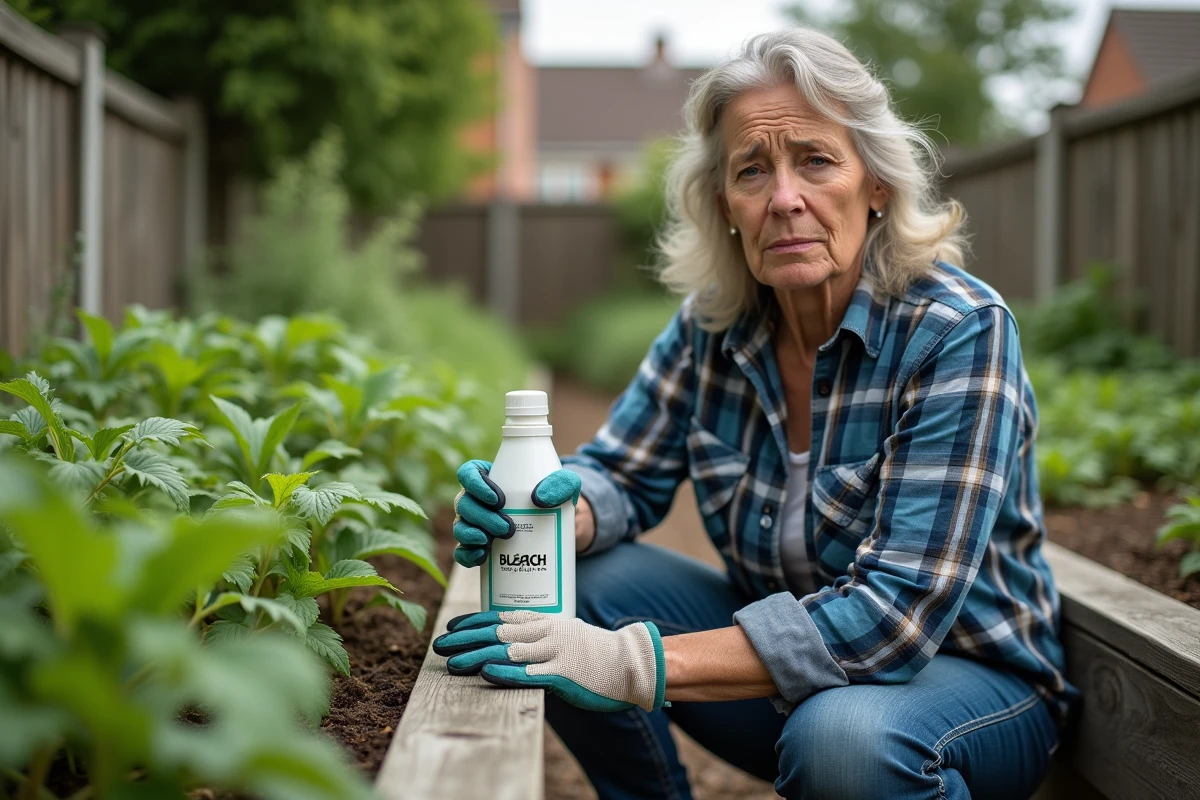
The domestic use of bleach as a herbicide has never been approved in France. This product, designed for disinfection, releases persistent chemical compounds into the soil and water upon contact with vegetation.
Regulations explicitly prohibit the use of household biocides for agricultural or gardening purposes. The chemical substances from bleach accumulate and disrupt the biological balance of soils, threatening local fauna and flora.
Why the temptation to use bleach against nettles persists in our gardens
Behind the shed door, a bottle of bleach promises quick action. When nettles take root and gain ground, the simplicity of a straightforward action becomes evident: pour, wait, watch them disappear. The idea is appealing, spread by word of mouth or on certain forums, where makeshift recipes are exchanged, convinced of having a secret weapon. Sodium hypochlorite, the main component of bleach, is alluring due to its strength, but its use in the garden is a persistent mirage. Many are convinced that using bleach to eliminate nettles would have no consequences, whereas the reality is quite different.
Faced with the persistence of roots and the rapid growth of nettles, impatience makes one forget the invisible damage. The belief in a miracle solution obscures the impacts on fertility and biodiversity. One thinks they are saving time, but they compromise the life of the soil. A handful of bleach does not discriminate: it annihilates both the “bad” weeds and unsuspected allies, from earthworms to microscopic fungi.
A simple search on Le Jardineur, for example, “killing nettles with bleach on Le Jardineur,” reveals the trap: bleach only masks the problem while leaving behind lasting pollution, invisible to the naked eye. The illusion of bleach as a herbicide collapses in the face of ecological reality. The touted power of sodium hypochlorite comes to a halt when it comes to respecting the natural balance of the garden.
What are the real dangers to biodiversity and soil health
Using bleach for weeding is never a trivial act. As soon as it touches the ground, this chemical product causes chain reactions. Sodium hypochlorite does not only target nettles: it eliminates bacteria, fungi, and earthworms, all those discreet players that keep the soil alive, loose, and capable of nourishing crops. The impoverished soil loses its vitality, plant growth suffers, and the natural balance is disrupted.
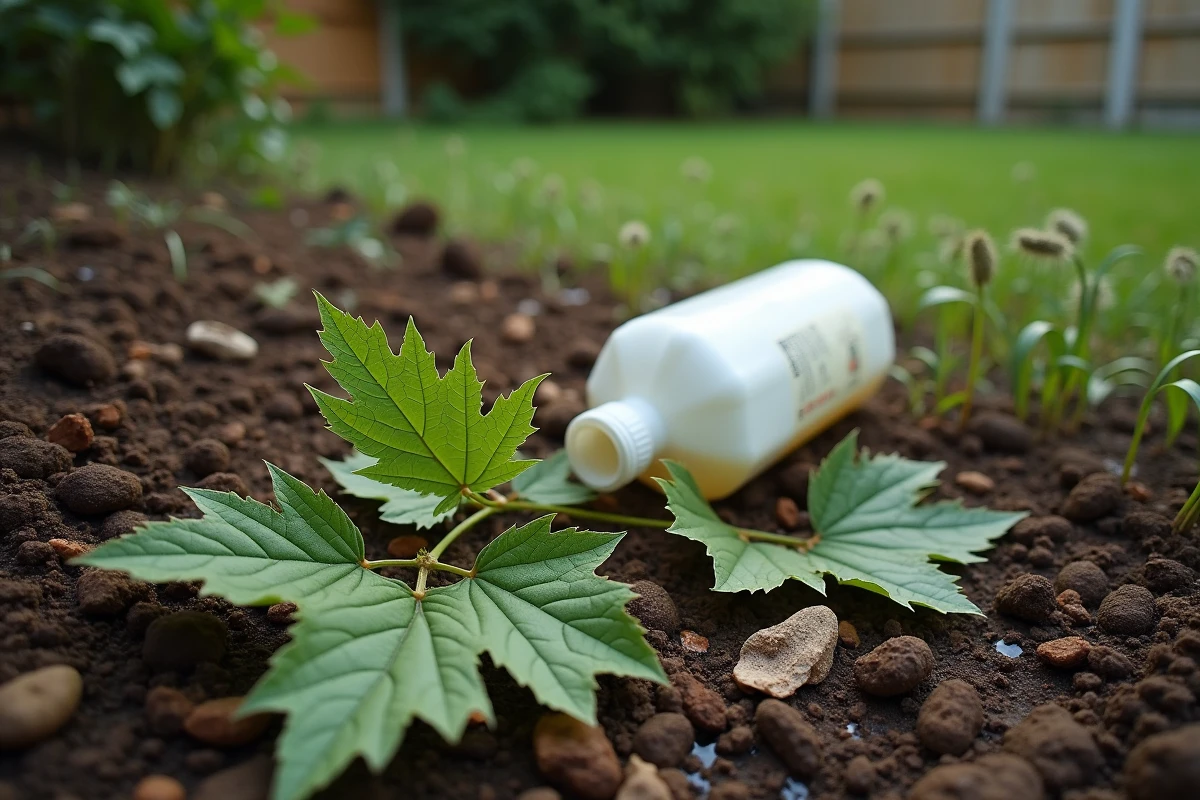
The problem does not stop there. During the next downpour, toxic residues seep in and reach the groundwater. Water, a precious resource, becomes contaminated with chemical compounds that persist for a long time. These are threats to wildlife, flora, but also to humans who consume or water with this water.
Here is an overview of the often-minimized but very real consequences:
- Risks to fauna and flora: disappearance of beneficial insects, depletion of plant diversity.
- Impact on microorganisms: disruption of natural cycles, slowing down decomposition and fertility.
- Pollution of groundwater: infiltration of chemical substances into underground reserves.
Resorting to bleach for weeding also exposes one to human incidents: splashes, inhalation of irritating vapors, contamination of vegetables grown nearby. Beneath the veneer of a tidy garden lies impoverished, sterilized soil, vulnerable to external aggressions.
Ecological solutions to say goodbye to nettles without polluting your garden
To eliminate nettles without compromising the biological richness of the soil, other methods deserve your full attention. Relying on environmentally friendly techniques makes a difference in the long term. Manual weeding, with good gloves and a suitable tool, allows for the extraction of roots while preserving the soil structure. This patient approach encourages the regeneration of beneficial microorganisms.
When the area to be treated expands, natural mulching proves invaluable. Straw, wood chips, or fallen leaves form a barrier that slows the regrowth of nettles while nourishing the soil. Thermal weeders eliminate unwanted plants through heat, leaving no chemical trace.
Here are some natural alternatives to consider:
- White vinegar: applied occasionally, it dries out the leaves but must be used carefully to avoid affecting nearby plants.
- Baking soda: sprinkled on young nettles, it slows their growth without harming underground life.
Biocontrol products with Ecocert or Ecolabel certification also offer a concrete alternative. Derived from advances in biotechnology, they target unwanted plants while respecting the ecosystem. Choosing these solutions means rejecting the ease of chemical solutions in favor of a sustainable gardening approach. The result is a vibrant, resilient garden where every intervention respects the complexity of life.
A healthy garden is not obtained at the cost of sterile soil: it is up to everyone to choose the path of patience, allowing nature to reclaim its rights without invisible harm.