
Online poetic writing refers to a literary practice disseminated directly by the author through their own digital channels, without going through a publishing house. This mode of publication transforms the relationship with the text: the poem becomes a visual object, shareable, and commented on in real-time by a community of loyal readers.
Poetic Writing and Social Media: An Autonomous Distribution Circuit
The classic editorial model assumes a manuscript, a reading committee, a contract, and then a bookstore release. Poetry shared on social media bypasses each of these steps. The author publishes a text, receives feedback within hours, and adjusts their creative pace based on the response received.
This approach can be seen with Mam’Zell Plume, whose universe relies on a regular online presence. The texts are offered in the form of handwritten excerpts, crafted visuals, or shared readings, all formats designed for platforms like Instagram or TikTok.
Direct dissemination removes the editorial intermediary and keeps the author in constant contact with their readers. The text no longer arrives “finished” in the hands of the public: it lives, evolves, and extends from one post to another.
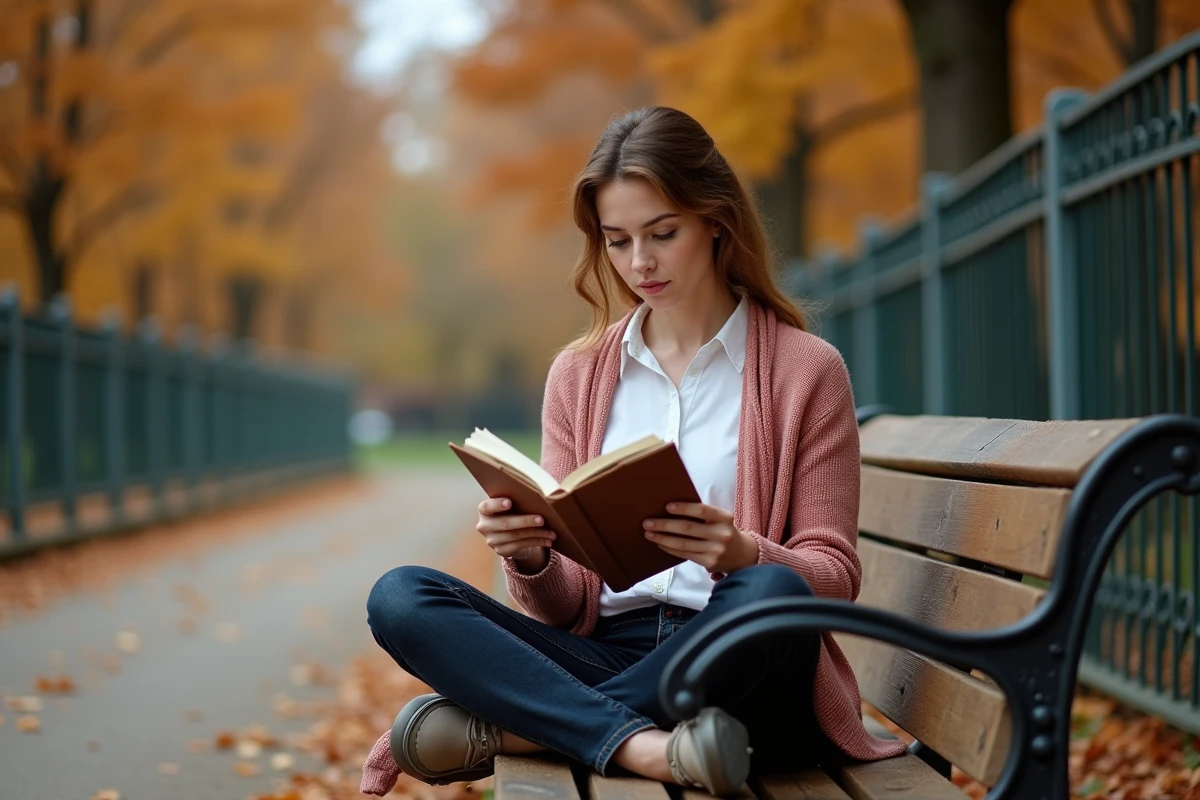
Micro-Community of Readers: What Distinguishes Online Intimate Poetry
A literary account on social media does not necessarily aim for a wide audience. The dynamic observed around poetic profiles like that of Mam’Zell Plume is more about a committed micro-community: a few hundred or thousand readers who comment, react, and participate in writing challenges.
This proximity directly influences the form of the texts. Poems are often short, calibrated for a carousel format or a story. Some are explicitly addressed to the community, creating a dialogue rather than a simple passive reading.
- Collective writing challenges invite followers to produce their own texts on a given theme, blurring the line between author and reader.
- Comments become an extension of the text: emotional reactions, sharing of personal experiences, theme suggestions.
- The episodic format (one poem per day or week) retains an audience that returns for both the regularity and the content.
Online poetic writing unites through intimacy, not notoriety. The connection with the community is based on the perceived sincerity of the text, not on a promotional apparatus.
Creative Journaling and Poetry: When Writing Becomes a Personal Ritual
The universe of Mam’Zell Plume fits into a broader trend that blends poetic writing and creative journaling. This term refers to a personal notebook practice where text coexists with collages, drawings, lists, or fragments of self-reflection.
Creative journaling does not seek literary performance. Its goal is personal: to put words to feelings, structure thoughts, and provide a space for graphic and textual freedom. Poetry naturally fits in here, as it allows for ellipses, shortcuts, and unspoken elements.
Recent studies on ordinary writing practices document this hybridization between text and image in shared online notebooks. The poem becomes a fragment of a public diary, acknowledged as such by the author and received as such by the community.
What the Notebook Format Changes in Poetry
A poem written in a notebook, photographed, and then published online does not produce the same effect as a text typed in standard font. The materiality of the medium (paper grain, ink, visible corrections) adds a layer of meaning. The reader perceives a gesture, not just a text.
This artisanal dimension enhances the feeling of authenticity. It also distinguishes these contents from automated textual production, at a time when the question of the origin of texts online is pressing.
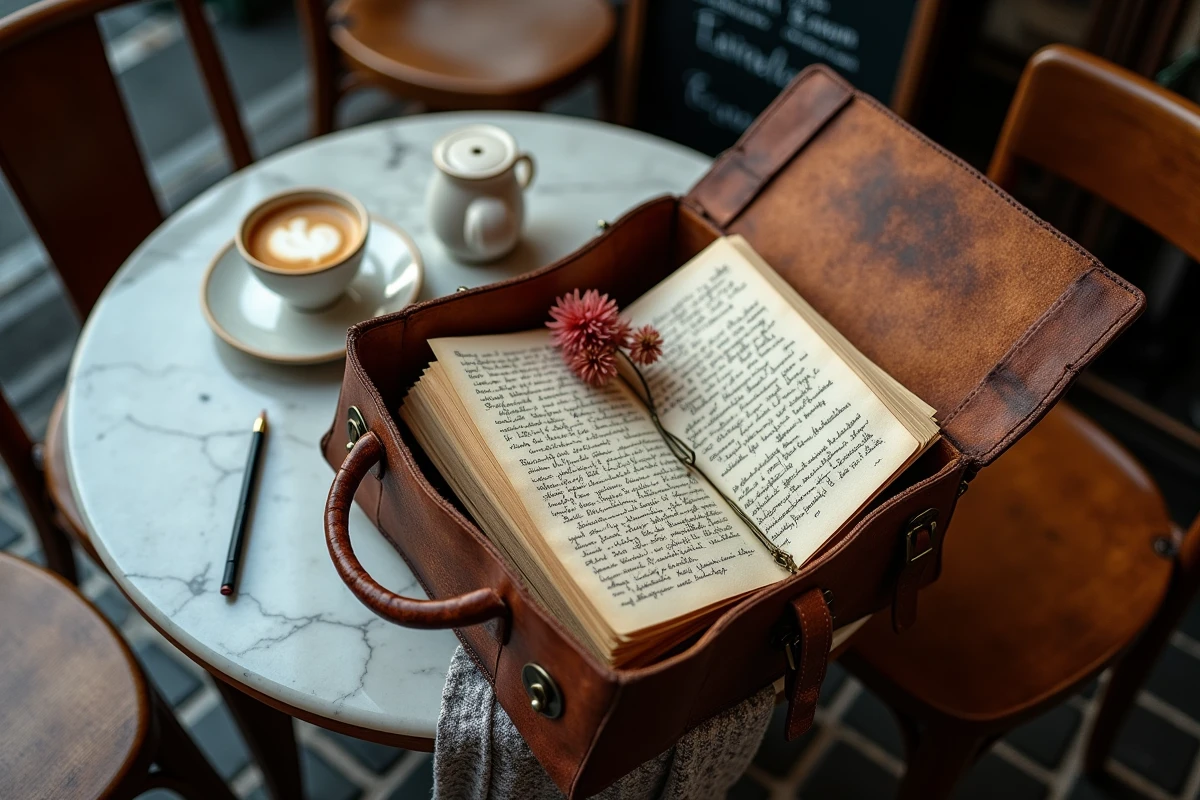
Passion for Writing and Literary Creativity: The Mechanics of a Coherent Poetic Universe
Building a recognizable poetic universe requires constant aesthetic choices. The tone, recurring themes, the visual palette of publications, and the rhythm of dissemination form a whole that the reader identifies even before reading the text.
- The thematic recurrence (nature, introspection, transfigured daily life) creates a thread that subscribers find from one publication to the next.
- The choice of a pseudonym like Mam’Zell Plume establishes a literary identity distinct from the civil identity, allowing for a space of creative freedom.
- The visual coherence of publications (typography, colors, layout) contributes as much as the text to the construction of the universe.
An online poetic universe is built over time, publication after publication, interaction after interaction. Regularity matters as much as the isolated quality of a text.
The boundary between published author and online author blurs as these practices become structured. The passage through a digital platform is no longer a flaw in the editorial journey, but a conscious choice that redefines the relationship between the writer and the readers.