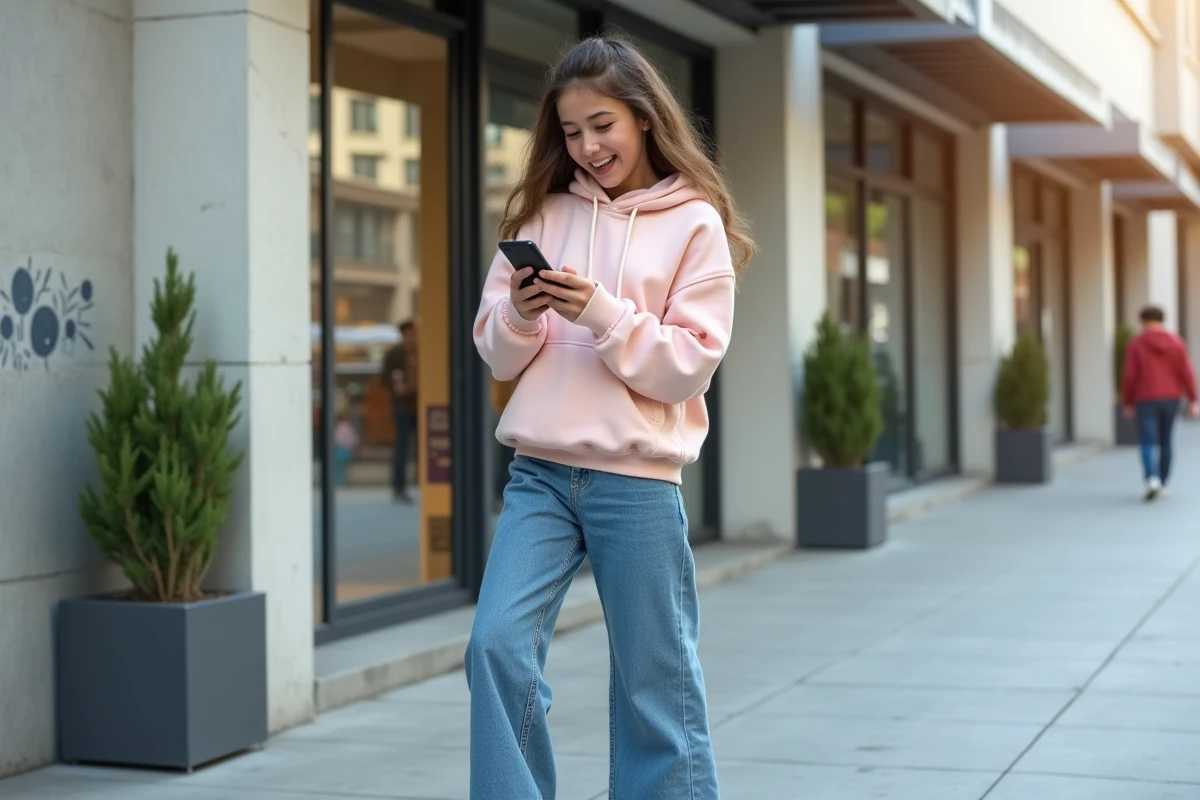
In middle school as in high school, a logo on a hoodie or a pair of sneakers is enough to classify or declassify. Teens do not choose a brand by chance: they validate a social signal, often dictated by TikTok, through a limited drop or by what the group at the back of the yard is wearing. Understanding what is at play behind these choices helps avoid unnecessary purchases, the ones that will end up at the back of the closet three weeks after school starts.
Sneakers and sport hoodies: the true uniform of teens in 2025
Nike, Adidas, New Balance, Puma: these names consistently come up when we ask high school students about their favorite pieces. According to the Kantar “Gen Z and Brands” barometer published in 2024 for Europe, premium sport logos top the list of favorite brands among 15-24 year-olds, ahead of some classic ready-to-wear brands.
The phenomenon goes beyond sports practice. A Gymshark hoodie or an Alo Yoga legging is worn in class, at the mall, or out in the evening. Athleisure functions as a full-fledged dress code, not as a niche style.
To spot trending brands for teens and understand how they position themselves, it is beneficial to observe what is happening with drops and collaborations rather than with permanent catalogs. The pieces that create buzz are almost always limited editions or collaborations with designers, not the basics from the standard collection.
- New Balance 530 and 9060: worn with both baggy jeans and cargo pants, they have replaced Air Force 1 in many teen wardrobes.
- Adidas Samba and Gazelle: the return of retro terrace continues to thrive, especially among 13-16 year-olds who are discovering these models for the first time.
- Nike Dunk Low: still present but losing relative ground, challenged by slimmer silhouettes.
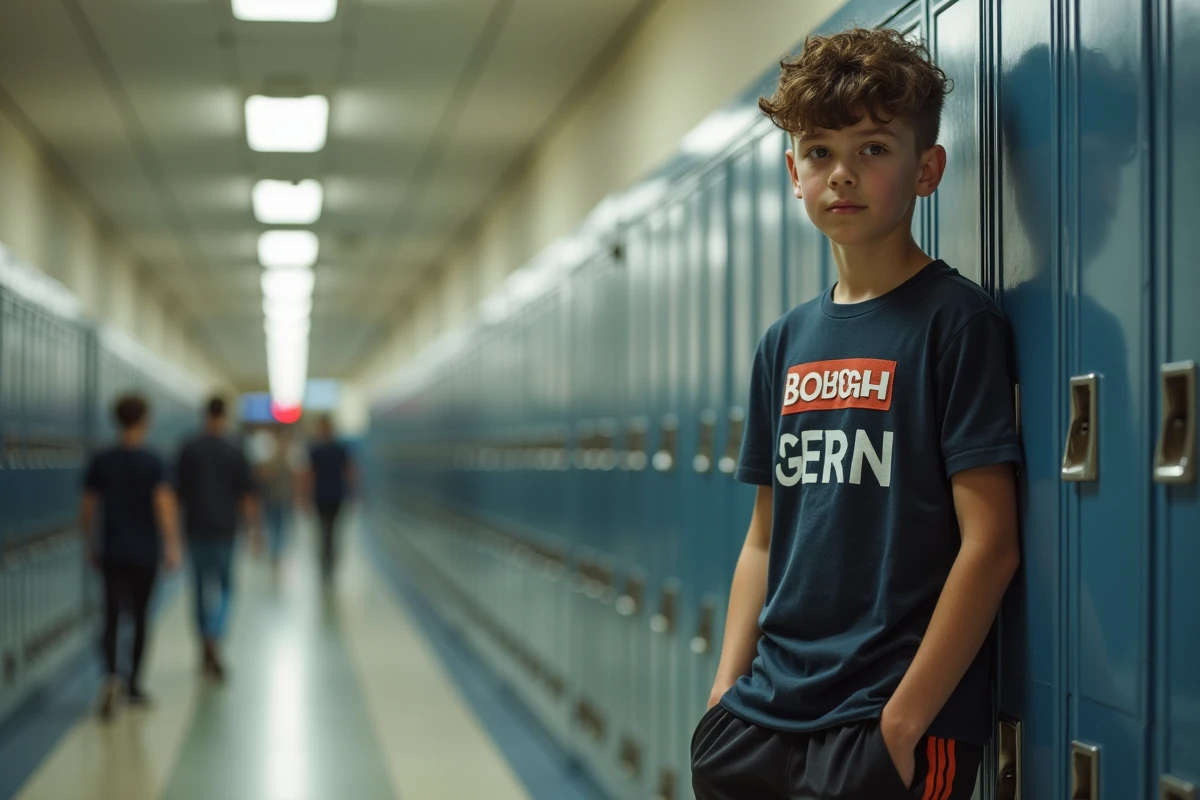
Streetwear brands and sub-brands for teens: what has changed since 2024
Since early 2025, several generalist brands have launched sub-brands or lines specifically targeting teens. The goal is twofold: to segment prices and to create micro-communities around distinct logos, regular drops, and collaborations with YouTubers or streamers.
For example, Primark has launched a sub-brand specifically targeting this age group, with an aggressive price positioning and rapid collection turnover. This type of initiative responds to a very concrete demand: teens want pieces identifiable by their group, not “adult clothes in smaller sizes.”
On the streetwear side, labels like Stüssy, Corteiz, or Broken Planet continue to hold weight in schoolyards. Their strength lies in organized rarity: limited stock, drops announced on social media, and active resale on platforms like Vinted or Depop. Wearing an unavailable piece remains the most powerful status marker among 14-18 year-olds.
The case of ultra-fast fashion: a deteriorating image
Some ultra-fast fashion brands, once cited as “cool” by teens, are starting to be socially declassified in certain high school communities. Surveys conducted by Deloitte and Ademe on youth consumption show a growing sensitivity to environmental issues, at least in discourse.
It should be noted: responses vary on this point. Some teens continue to buy massively on these platforms while claiming to care about the environment. The gap between intention and purchase action remains pronounced, but the underlying trend is working against these brands.
Accessories and tech: caps, bags, and gadgets that complete the outfit
The outfit does not stop at the hoodie and sneakers. Among teens, accessories function as signals of belonging just as much as clothing. A New Era cap, a The North Face fanny pack, or a small Carhartt WIP bag are enough to assert a style without changing the entire wardrobe.
Wearable tech also enters the equation. Wireless earbuds (AirPods, but also more colorful JBL or Sony models) have become a full-fledged fashion accessory. Their color, case, and the visible brand on the ear contribute to the look just as much as a bracelet or a watch.
- Caps and beanies: sport logos (Nike ACG, Adidas Originals) and outdoor brands (The North Face, Patagonia) dominate.
- Bags: the fanny pack or messenger bag format remains the most worn, often worn crossbody. Corteiz and Trapstar have popularized this format in streetwear.
- Subtle jewelry: thin steel chains, chunky rings, braided bracelets. The “clean” aesthetic dominates among both boys and girls.
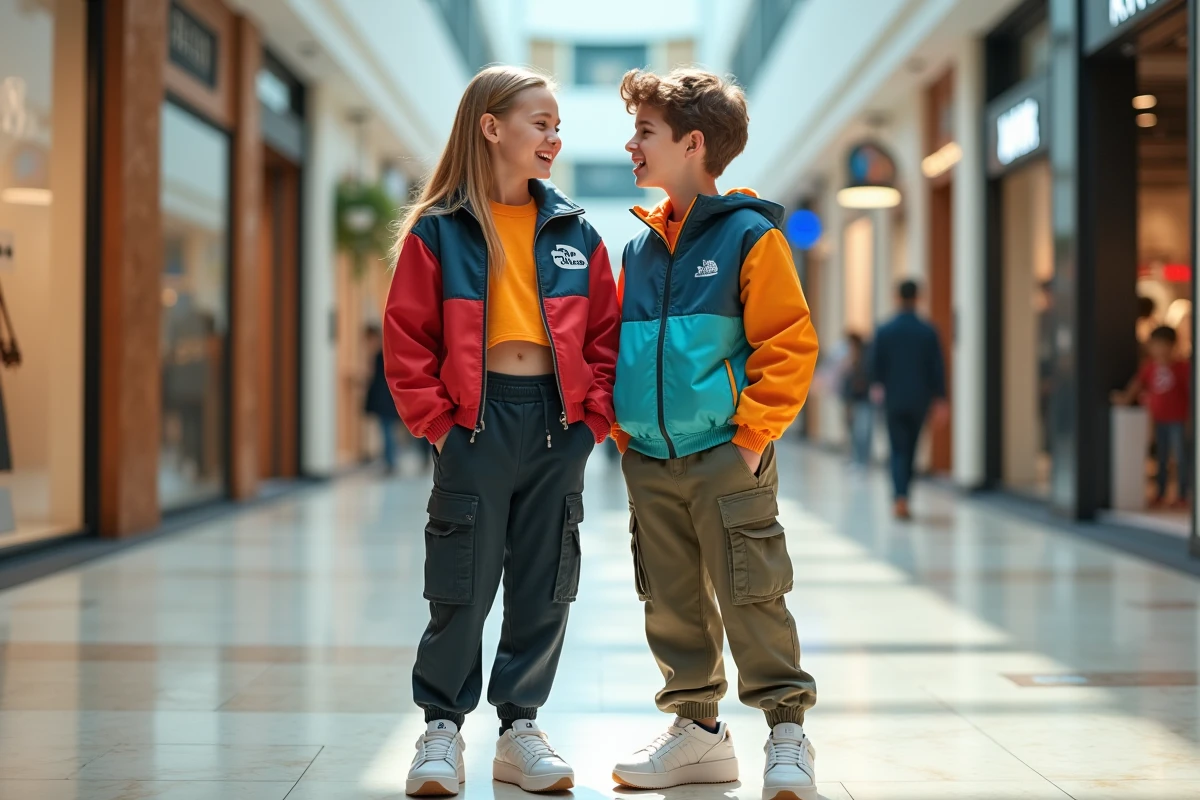
Building a sustainable teen style without multiplying purchases
Buying five well-chosen pieces protects the budget better than accumulating clothes worn twice. A good sport hoodie, a versatile pair of sneakers, a current-cut jean or cargo pants, a light jacket, and a signature accessory cover most of a teen’s social situations.
Focusing on neutral basics and one or two “statement” elements allows for style renewal without repurchasing everything each season. The statement is the piece that carries the logo, the collab, or the bold color. The rest serves as a backdrop.
Branded second-hand items are also gaining traction among younger people. Reselling a streetwear piece on Vinted to finance the next one has now become part of the normal consumption cycle. This reflex, still marginal a few years ago, is establishing itself as a sustainable habit in teens’ wardrobes.